
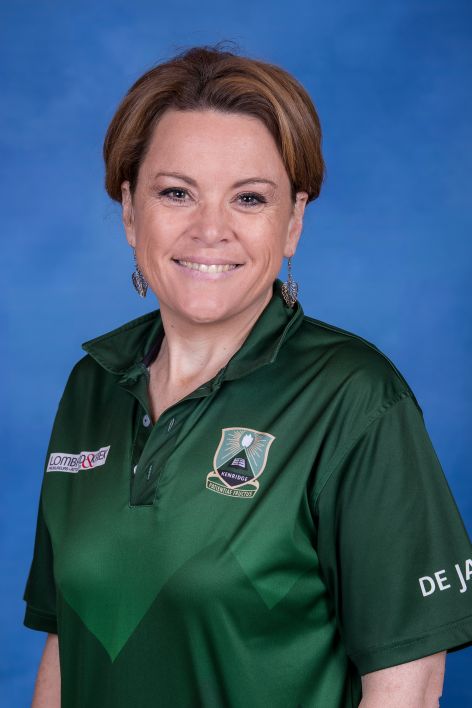
Liezel Maritz (Coding, Robotics and Digital Skills, Foundation Phase)

Michael Vorster (Coding, Robotics and Digital Skills, Gr 4 – 7, Afrikaans Gr 7, Technology Gr 6)
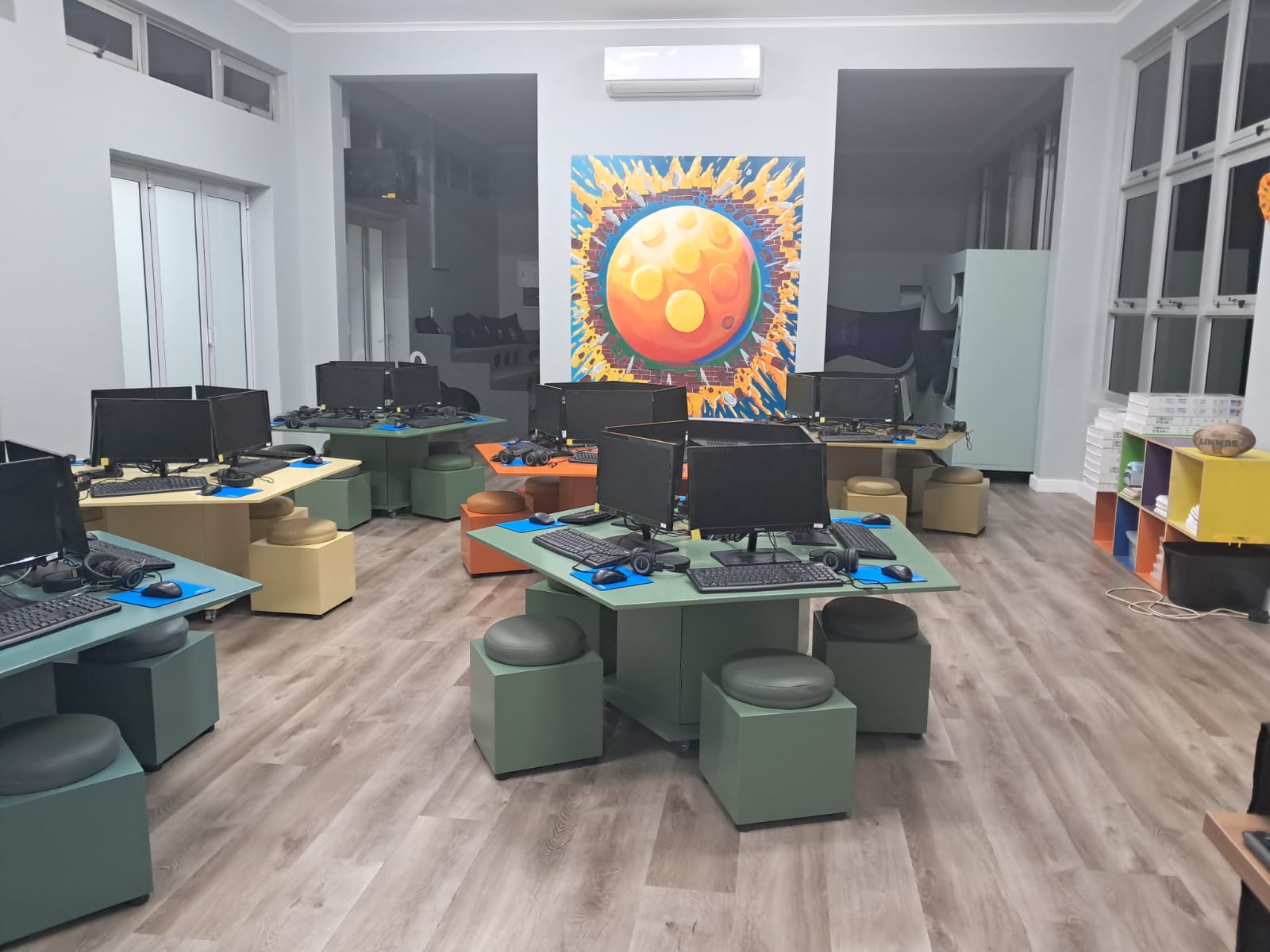
Where curiosity meets code
At Kenridge Primary, Coding and Robotics is about much more than learning to use technology. It is about teaching learners how to think, create, solve problems and understand the technology that is becoming an increasingly important part of their world.
Our programme develops progressively from the Foundation Phase through to Grade 7. Learners are introduced to age-appropriate concepts and tools, with each stage building on the skills developed before it. Coding and Robotics are part of our regular timetable, giving learners the opportunity to practise these skills consistently rather than experiencing technology as an occasional activity.
In Grades R to 3, learners begin by developing the thinking skills that underpin coding. Through playful, practical and unplugged activities, they learn about patterns, sequences, instructions, algorithms and problem-solving. Our mTiny robots give learners an opportunity to turn these ideas into actions and see the results of their instructions.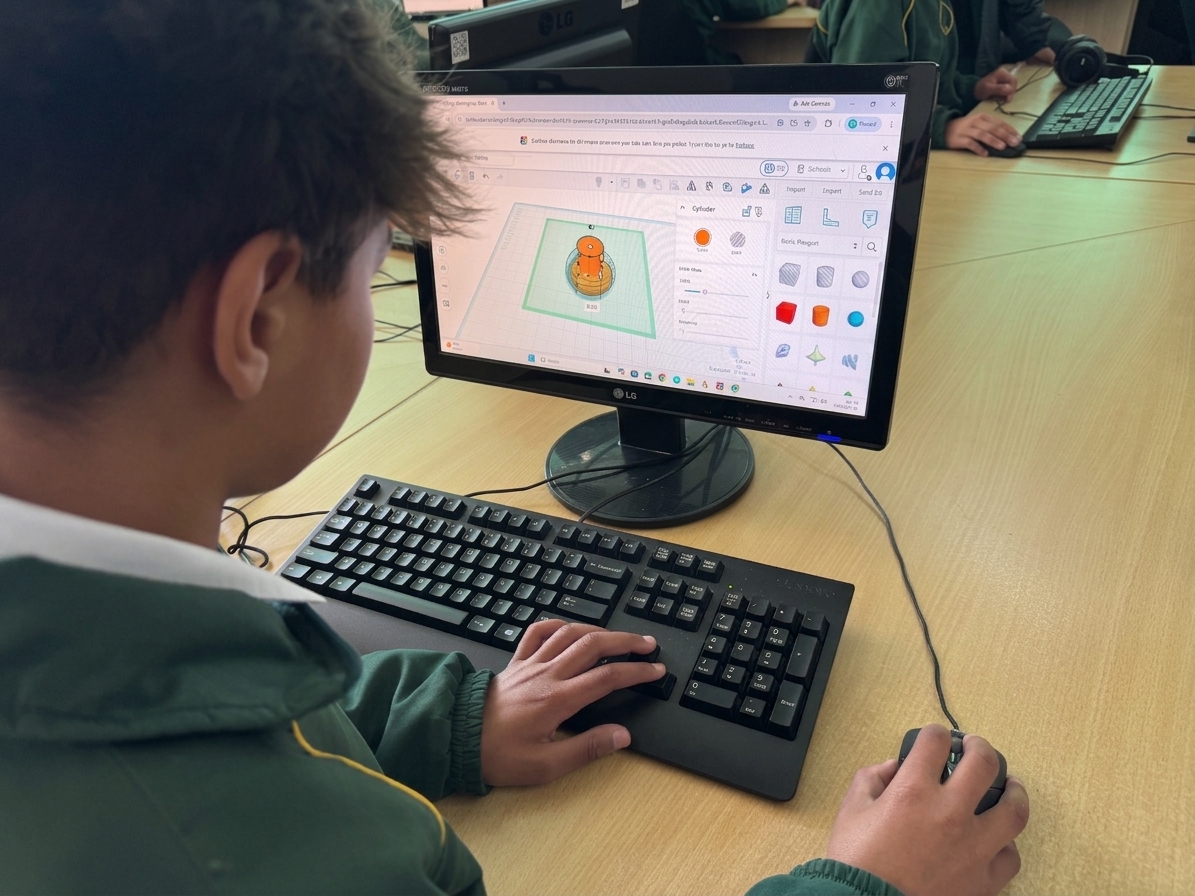
As learners develop, they are introduced to essential digital skills, including keyboard and touch-typing skills, creating presentations and using technology to communicate their ideas. Learners are also introduced to Artificial Intelligence in an age-appropriate and responsible way. They learn that AI is a tool that needs to be questioned, checked and used thoughtfully rather than simply accepting everything it produces.
Purple Mash is used across the Foundation Phase to reinforce learning and give learners opportunities to apply their digital skills across different subjects.
In Grades 4 to 7, learners build on these foundations through increasingly practical projects. They use Minecraft: Education Edition to explore coding logic, problem-solving, digital design and storytelling.
3D printing introduces learners to the design process. They create ideas, develop prototypes, test them, identify what needs to change and try again. This teaches learners that good design rarely happens on the first attempt.
LEGO Spike: From Coding to Real-World Application
At Kenridge, LEGO Spike is used across both our Coding and Robotics and Technology learning.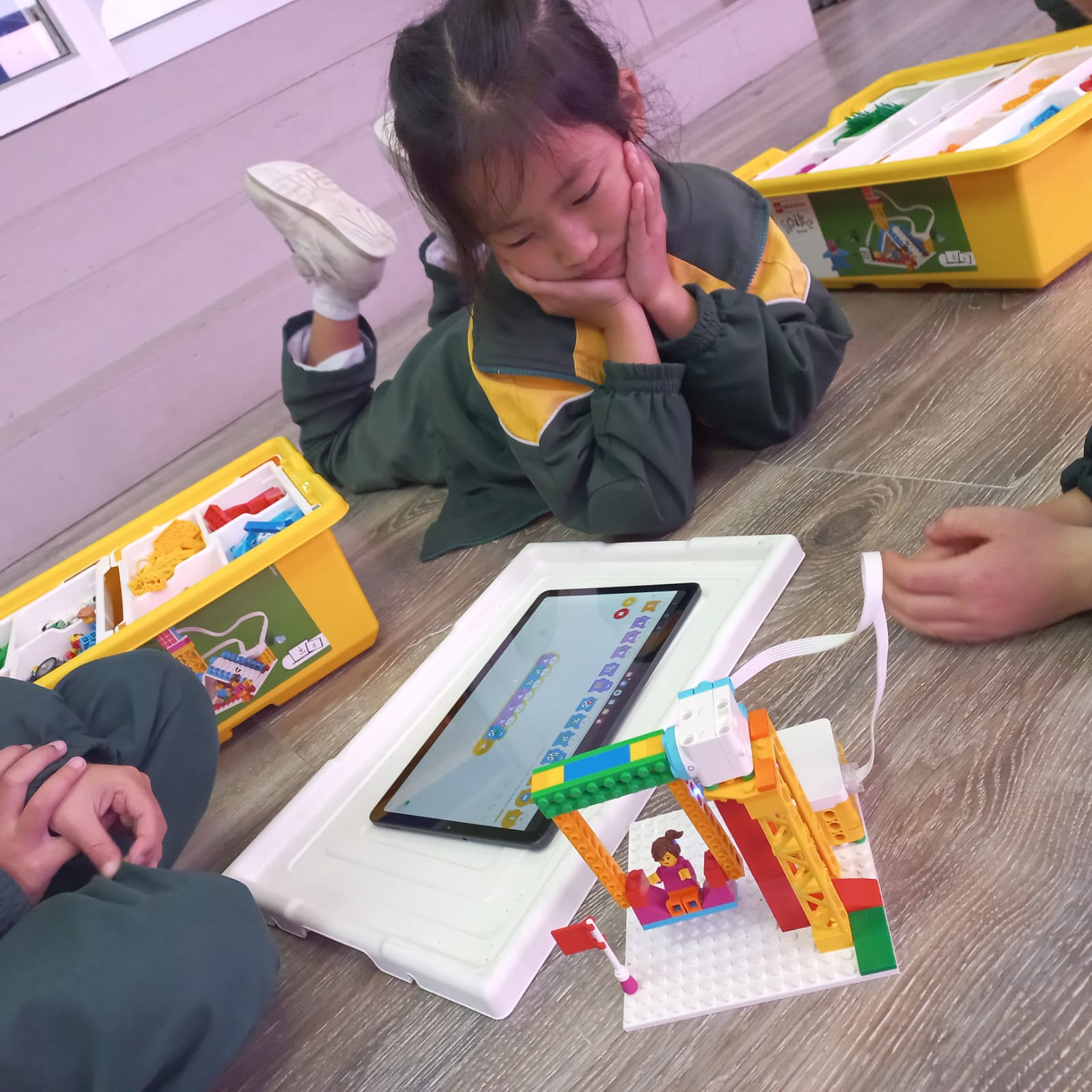
In Coding and Robotics, learners develop the foundations they need to build and program robotic solutions. They learn how motors, sensors, movement and code work together, while developing their problem-solving, logical thinking and teamwork skills. LEGO Education itself positions SPIKE as a hands-on combination of coding, engineering and problem-solving, with learners designing, programming, testing and refining solutions.
These skills then move beyond the Coding and Robotics classroom and into Technology, where learners are challenged to apply what they know to real-world problems.
Instead of simply building a robot because they have been given a set of instructions, learners use the design process to identify a problem, consider possible solutions, design and build a prototype, programme it, test it and make improvements.
For example, learners can take their knowledge of coding, robotics, structures and mechanisms and use LEGO Spike to design and code a functional hydraulic arm. The project brings together concepts from different areas of learning and gives learners the opportunity to see how the skills they have developed can be used to create something that actually works.
This connection between subjects is an important part of our approach. Coding teaches learners how to make technology work. Technology challenges them to decide what it should do and why.
The result is learning that moves from concept, to design, to prototype, to working solution.
The most important part of our programme is not the equipment. It is what learners do with it.
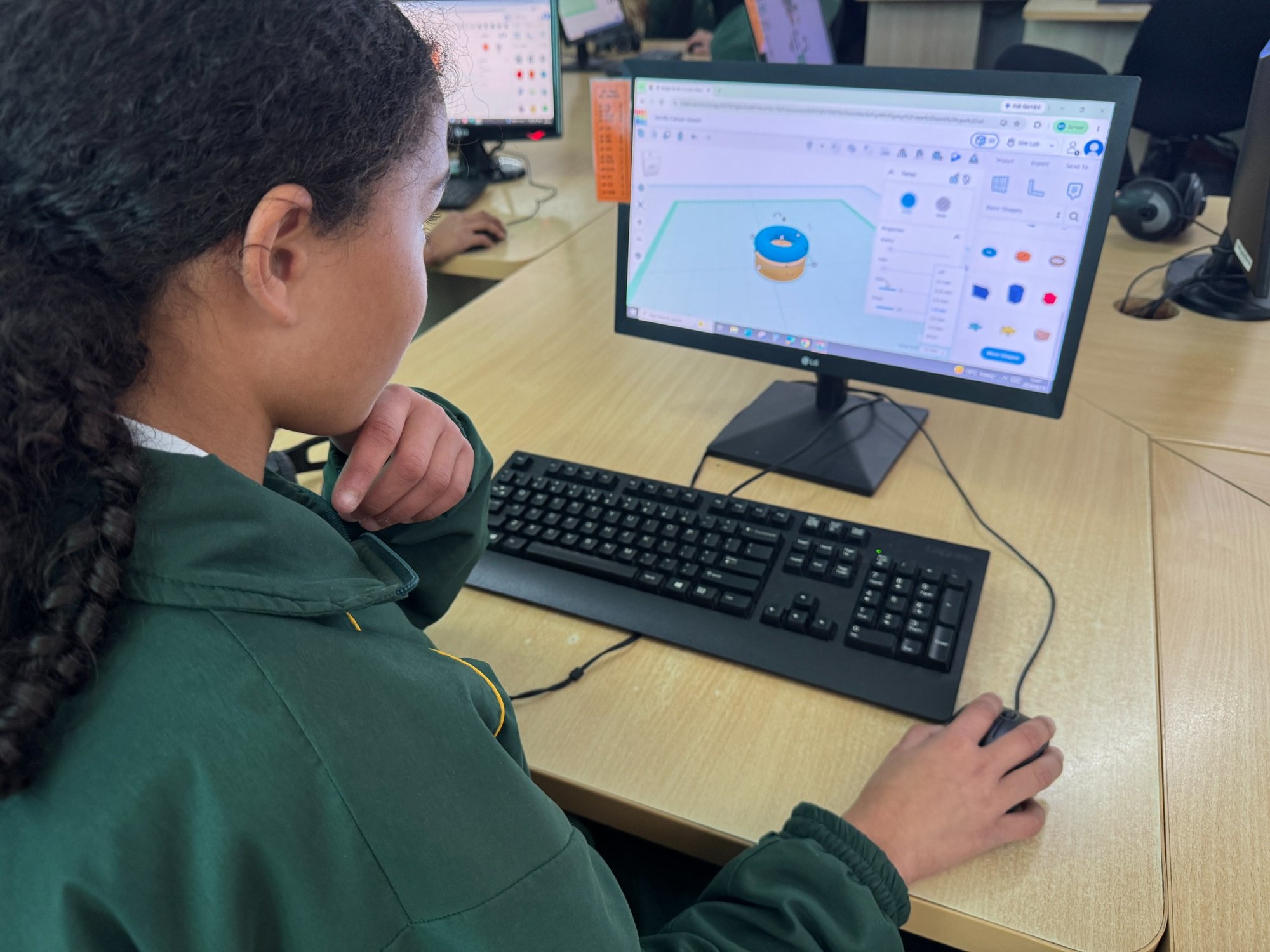
Our educators guide learners to ask questions, experiment, make mistakes, try again and explain their thinking. They learn to work independently and collaboratively, communicate their ideas and take responsibility for the solutions they create.
Technology at Kenridge is therefore not simply something learners consume. It is something they learn to understand, question, create with and shape.
Our goal is simple: Every child, every chance, every day to develop the confidence and skills to step up and stand out in an increasingly digital world.